%402x.svg)
Overwatch did not begin with a procurement request. It began with a conviction: technology is a tool, and the judgement about what it serves belongs to the people who built it.
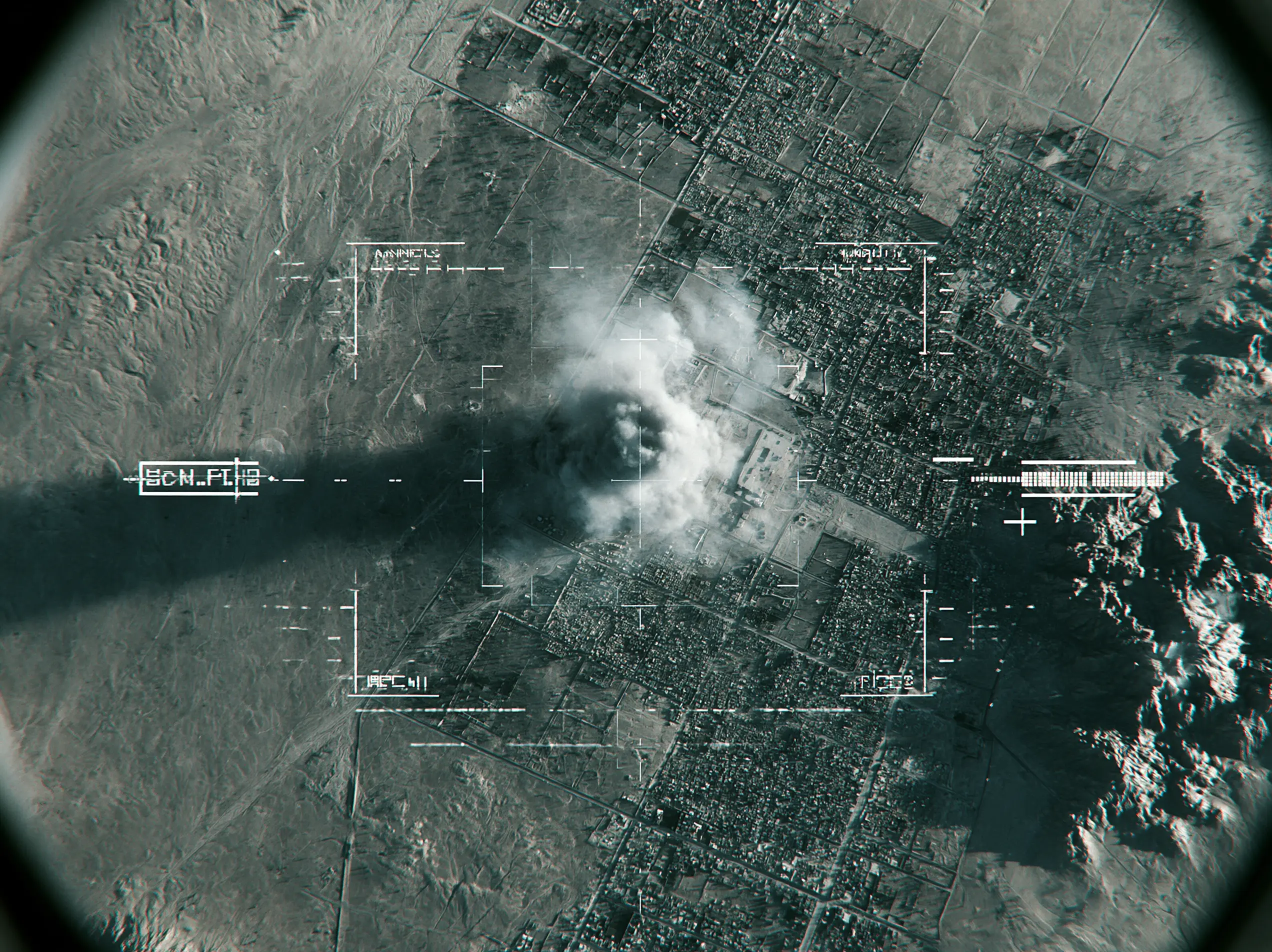
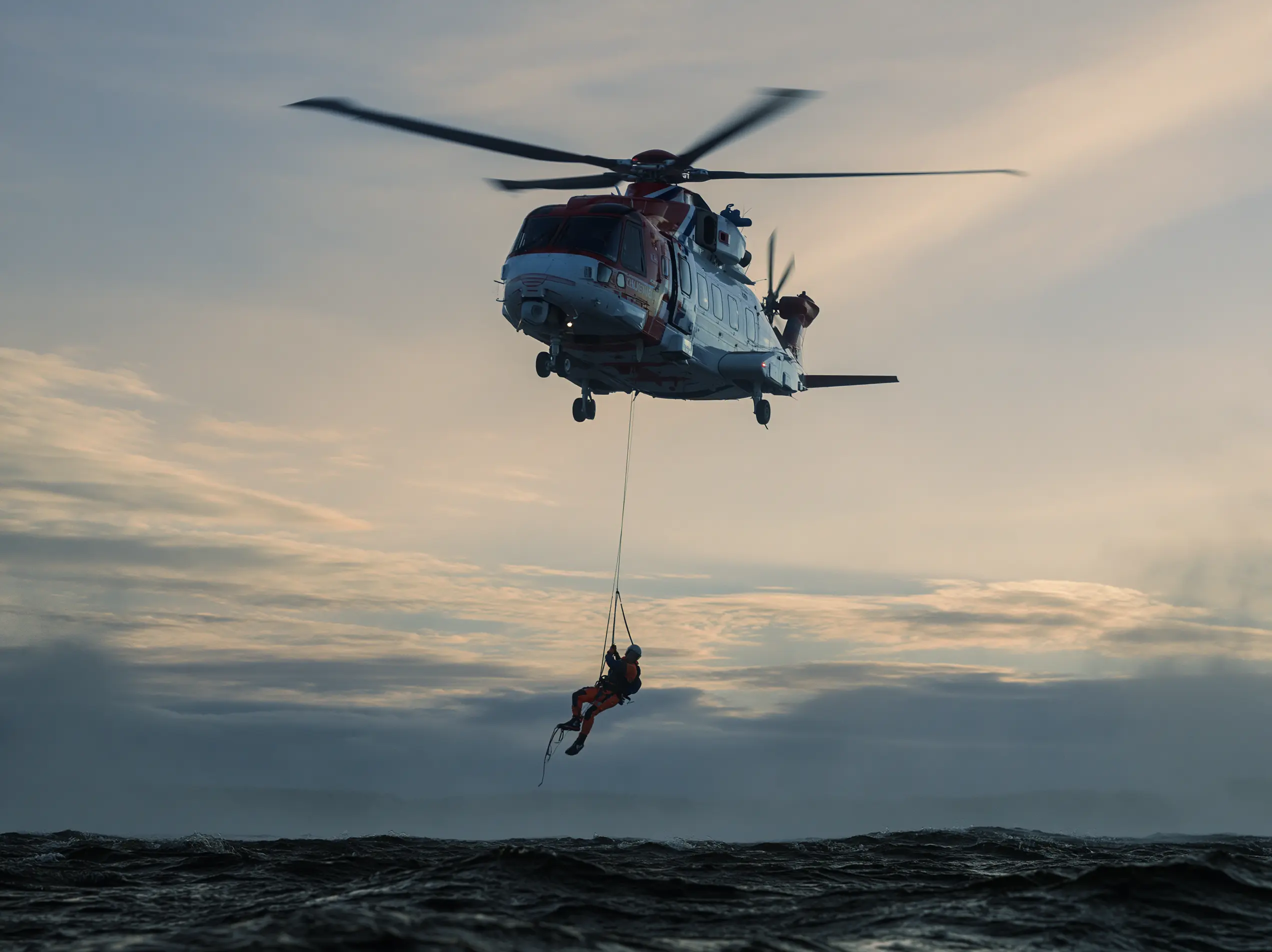
The most advanced software in defence exists to optimize the OODA loop – observe, orient, decide, act – for combat. Decades of investment have made machines extraordinary at closing that loop on a target. Almost none of that capability has been pointed at the other operations defence institutions run: wildfires, floods, tsunamis, evacuations – missions where the objective is reaching people, not eliminating them. The kill chain has a generation of software behind it. The rescue chain has none.
Farpoint chose to close that gap. The situational data already existed in abundance – satellite telemetry, aircraft transponders, CCTV networks, thermal and night-vision feeds, environmental sensors – but sat in disconnected silos while operators assembled the picture by hand, losing critical minutes as conditions on the ground changed. We took the software disciplined built to win the OODA loop in combat and aimed it, deliberately, at humanitarian aid. A national defence institution's open innovation challenge became the proving ground.
Farpoint answered the challenge by building, not proposing. A working prototype of Overwatch was stood up in days, then hardened into a research platform now advancing through allied defence innovation programmes.
The platform is engineered as sovereign technology: all intellectual property is developed and retained domestically, aligned with the institution's mandate to accelerate national IP toward full operational readiness.
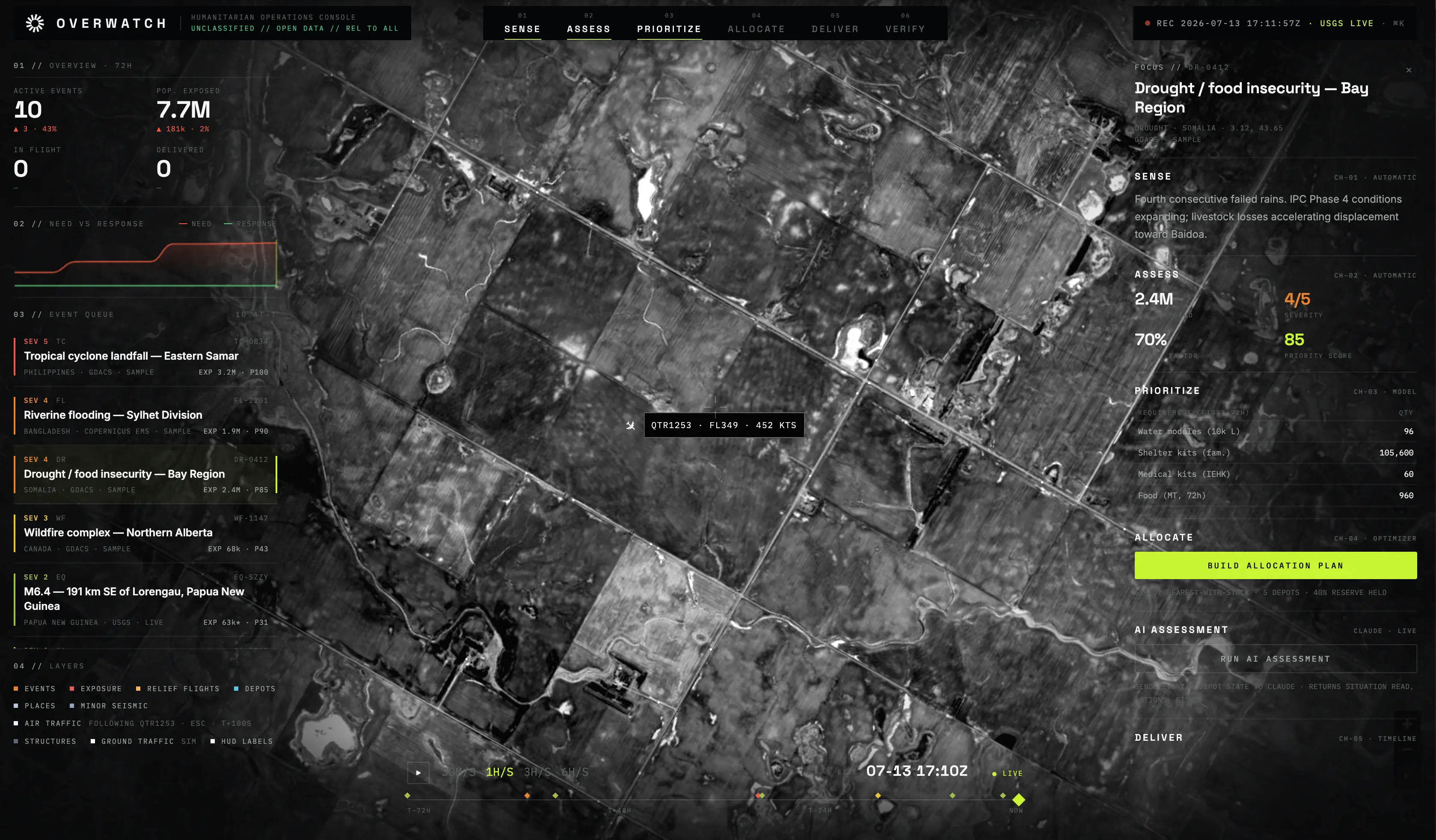
A Unified Operating Picture: Six-plus live data modalities fused into one view, replacing manual cross-referencing across siloed systems during time-critical operations.
From Reactive to Predictive Response: Scenario models let coordinators pre-position resources ahead of fire fronts, flood crests, and evacuation bottlenecks rather than chasing them.
Demonstrated Velocity: A functioning prototype delivered in days validated the concept at accepted contract thresholds and earned advancement into innovation funding competitions.
A New Category of Defence Technology: Overwatch establishes the rescue chain as a design discipline: dual-use, sovereign, and built on the conviction that how technology is used is a choice – and the most advanced systems in defence should be the ones that save lives.

%402x.svg)


%402x.svg)

